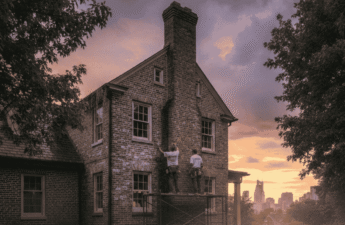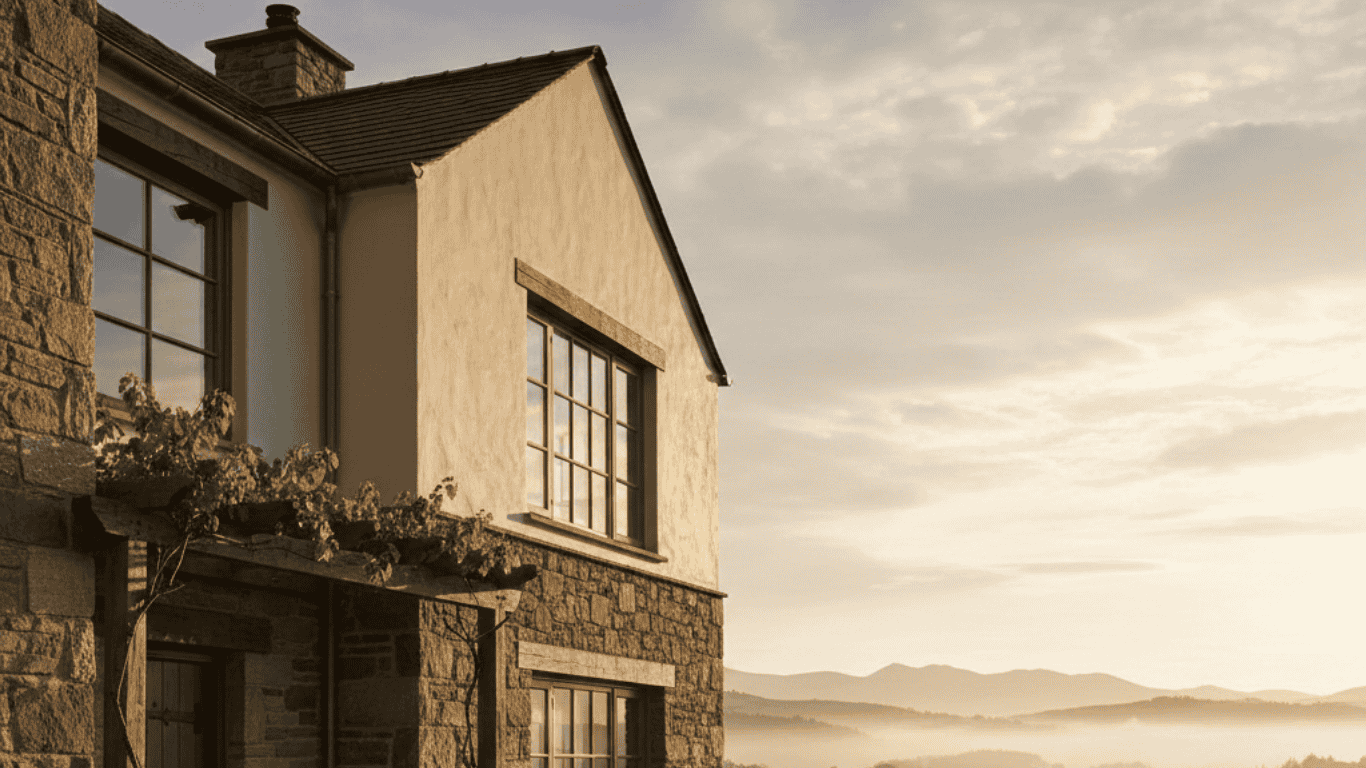
You may have noticed how ancient stone cottages seem to breathe, while modern drywall boxes feel like plastic bags. There is a profound reason why structures built thousands of years ago still stand tall while 1990s suburban developments are already peeling at the seams.
Natural masonry is a high-performance technology that modern engineering is finally starting to appreciate again. When we talk about masonry, we are looking at the literal backbone of civilization, and the shift back to natural elements is changing how we define a forever home.
What Are The Main Benefits Of Using Natural Stone In Construction?
Building with natural stone or reclaimed brick offers unmatched durability and thermal performance. Unlike synthetic siding or concrete blocks, which require significant energy to produce, natural stone is harvested with minimal processing. The thermal mass of stone acts like a natural battery, absorbing heat during the day and slowly releasing it at night. This process keeps indoor temperatures stable without overloading your AC unit. Stone is also naturally fireproof and pest-resistant, so you can stop worrying about termites or accidental kitchen fires turning your investment into ash.
Is Natural Masonry More Sustainable Than Modern Concrete?
According to recent data, the construction industry accounts for nearly 40% of global carbon emissions, with a significant share attributable to cement production. In contrast, using locally sourced stone or sun-dried earthen blocks drastically reduces the “embodied carbon” of a building.
Choosing natural materials means selecting materials that can eventually return to the earth without leaching toxic chemicals. If you compare the life cycle of a lime-based mortar with that of modern Portland cement, you will see that modern Portland cement absorbs carbon dioxide from the atmosphere as it cures over decades. Moreover, it is a wall that cleans the air while it protects your family.
How Does Masonry Affect Indoor Air Quality?
Many homeowners wonder why they suffer from sick building syndrome or unexplained allergies. Modern buildings are often wrapped in non-breathable plastic membranes that trap moisture, leading to hidden mold growth.
Natural masonry materials are vapor-permeable, which means they allow moisture to move through the wall rather than trapping it. When you use lime-bound stone or breathable brick, the house regulates its own humidity levels, creating a crisp, fresh indoor environment that smells like home rather than chemicals or damp dust.
The Financial Logic of Living in a Fortress
While the upfront cost of high-quality stone masonry may be higher than wood framing, the long-term ROI is significant. Maintenance costs for natural masonry are virtually zero for the first fifty years. You do not have to paint it, you do not have to power-wash it every spring, and it only looks better as it develops a natural patina.
| Material Type | Lifespan (Years) | Maintenance Level | Carbon Footprint |
| Natural Stone | 100+ | Very Low | Minimal |
| Reclaimed Brick | 80+ | Low | Low |
| Synthetic Siding | 15-20 | High | High |
| Traditional Timber | 40-50 | Moderate | Medium |
Does Natural Masonry Increase Property Value?
Appraisers and savvy buyers recognize the prestige factor of stone and brick. A home built with authentic masonry techniques conveys a sense of permanence and luxury that synthetic materials cannot replicate. In a world of contemporary architecture, a natural-stone home stands out as a bespoke masterpiece. It is the difference between a hand-tailored wool suit and a polyester tracksuit. One is designed to last a lifetime, and the other is destined for a landfill.
So, if you are planning your next build, consider the legacy you want to leave behind. Are you building a temporary shelter, or are you crafting a landmark? Natural masonry material allows you to build something that respects the environment while providing a sanctuary that genuinely breathes.